
California Insurance Coverage Gaps: How Your Policies Fit Together
Review how California home, auto, umbrella, life, business, and specialty policies fit together—and spot gaps before choosing a renewal or online quote.
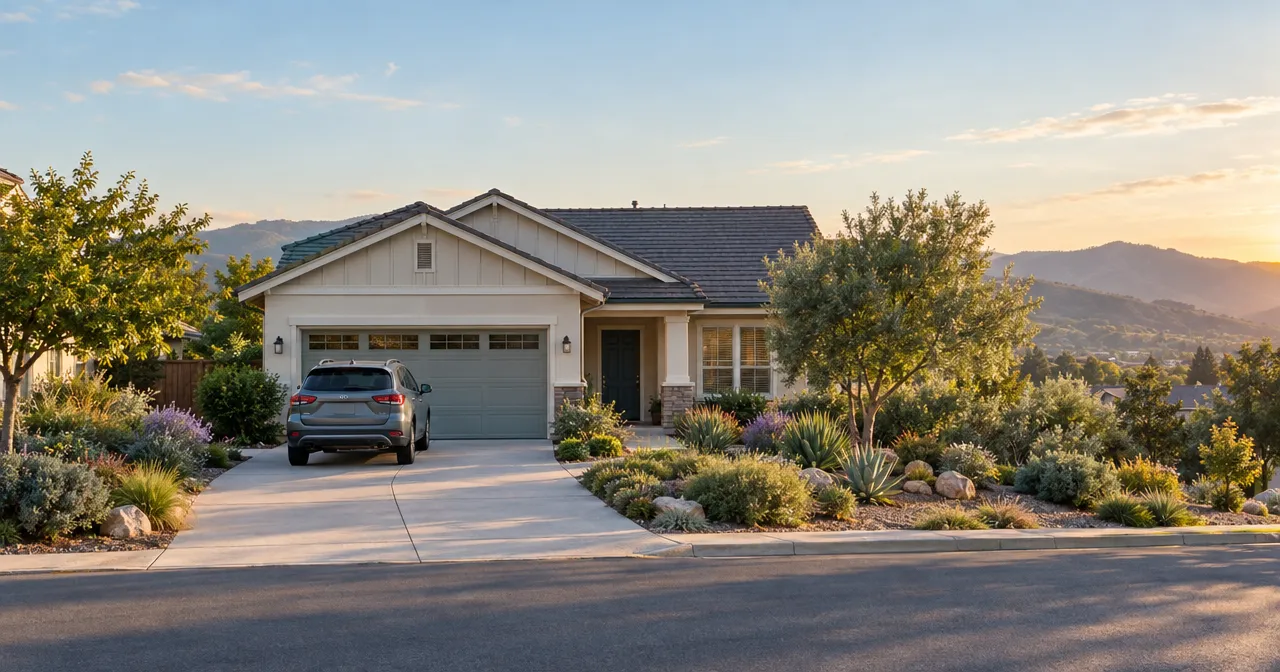
A policy can look sensible on its own yet leave a problem where it meets another policy. Suppose a Mission Viejo homeowner replaces a conventional home policy after a wildfire-related nonrenewal. The new fire policy starts on time, but the personal umbrella still expects homeowners liability coverage. Meanwhile, the family adds a newly licensed driver and the owner starts using a car to visit business clients. Three ordinary changes can affect four different policies.
A useful insurance review therefore starts with the whole coverage picture, not a stack of renewal premiums. The aim is to find the person, property, activity, or loss that one policy assumes another policy will handle. Here is a practical way for California households and small businesses to do that—whether you live in Orange County, the Bay Area, San Diego, Los Angeles, or elsewhere in the state.
Start with a one-page map of what has changed
Gather the current declarations pages, recent renewal or nonrenewal notices, and any proposals you are considering. Write down the people who drive; each property’s location and use; vehicles, boats, and RVs; income that others depend on; and business activities, equipment, employees, and vehicles. Add effective dates. A quote based on an old roof, a different driver list, or yesterday’s business description is not a fair comparison.
Then mark changes since your last review: a remodel, new roof, rental or ADU, teen driver, electric vehicle, marriage, new child, business hire, added inventory, or use of a personal car for work. You do not need to buy a new policy for every change. You do need to tell an insurer or licensed agent enough to determine whether the existing terms still fit.
The most productive questions are concrete: What loss would this policy pay? What would I pay first? What maximum amount would it pay? What must be true for the coverage to apply? The answers live in limits, deductibles, exclusions, endorsements, and the policy’s definition of the insured property or activity—not in the premium alone.
Home: check the rebuild figure before comparing prices
The dwelling limit is meant to address the cost of rebuilding the structure, not the price you could sell the property for, your mortgage balance, or the value of the land. The California Department of Insurance (CDI) residential guide explains that insurers use different rebuilding estimates. Ask what square footage, materials, roof, upgrades, and local labor costs went into yours. A $1 million sale price does not tell you whether a $700,000 dwelling limit is too high or too low.
Read the loss-settlement terms alongside that limit. Replacement-cost coverage and actual-cash-value coverage do not pay on the same basis; a roof may have its own settlement provision. Extended replacement cost, when included, can add a specified amount above the dwelling limit after a covered loss, subject to policy conditions. Ordinance-or-law coverage can help with eligible costs of meeting current building codes. Neither feature excuses an inaccurate starting rebuild estimate. Also check other-structures limits, belongings and valuables sublimits, debris removal, and loss of use—including both the dollar limit and time restrictions for temporary living expenses after a covered loss.
Deductibles deserve the same attention. If a particular covered peril has a 2% deductible applied to an $800,000 dwelling limit, that would mean $16,000 out of pocket under that calculation, rather than 2% of the repair bill. This is only an illustration: read the actual policy to see the covered peril, percentage base, and any separate flat-dollar deductible. A lower annual premium may reflect a different amount of risk retained by the homeowner.
Occupancy can change the answer too. A condo owner needs to compare the association’s master policy with unit improvements and personal property. A renter insures belongings and personal liability differently from a homeowner. A landlord should disclose tenants and review the rental property and liability arrangement. An ADU, home office, or short-term rental needs a specific description, not the assumption that everything at the address is covered in the same way.
When wildfire exposure makes the home hard to place
For a home in an Orange County foothill, a Los Angeles canyon, or a Bay Area or San Diego hillside, first confirm the existing policy’s end date and the property details in every application. If an insurer will not renew, start looking before the expiration date; an application or online estimate is not proof that replacement coverage is in force. Document roof updates and wildfire-mitigation work accurately, but do not count on a mitigation measure to guarantee eligibility.
The California FAIR Plan dwelling policy can be a fallback when traditional coverage is unavailable. It is named-peril coverage: its basic listed causes of loss include fire, lightning, internal explosion, and smoke, with certain optional coverages available. It is not the same package as a typical homeowners policy. A separate difference-in-conditions (DIC) policy may address selected gaps such as water damage, theft, and liability; the FAIR Plan does not sell DIC itself. Compare the two actual contracts together—limits, deductibles, exclusions, covered buildings, loss of use, liability, effective dates, and combined cost. A DIC label does not establish that every gap is filled.
That liability detail matters beyond the house: if a personal umbrella expects a qualifying homeowners liability policy, changing to a basic FAIR Plan fire policy could leave an underlying-coverage issue. Ask the umbrella insurer or agent to check the written requirements before switching. Flood and earthquake are separate decisions; do not assume either is included because you obtained a FAIR Plan or DIC policy.
Auto and umbrella: line up liability, drivers, and vehicles
The auto liability limit protects against covered injuries or property damage you cause others. Collision and comprehensive deal with covered damage to your own car under different conditions; neither substitutes for liability coverage. A teen driver, a new electric vehicle, or frequent use of a car for work can change the information the insurer needs. Give each quoting insurer the same driver and vehicle list, garaging location, mileage or use details, and requested limits.
The CDI automobile guide also distinguishes uninsured and underinsured motorist coverage from liability. The former addresses qualifying losses involving another driver who has no insurance or too little; it is not a bigger version of your liability limit. Compare bodily-injury limits, collision and comprehensive deductibles, and how a vehicle would be valued after a total loss. A classic car or modified vehicle may call for different valuation terms than an ordinary commuter car.
A personal umbrella can add liability protection above specified underlying home and auto policies, but it is not an all-purpose property policy. Check the minimum underlying limits, which drivers and locations qualify, whether a rental exposure is accepted, and any exclusions. Ask for the policy wording rather than assuming the umbrella automatically follows a new home insurer, a boat policy, or a business activity. If the home moves to FAIR Plan plus DIC, have the umbrella relationship checked again. A business usually needs its own commercial liability arrangement; a personal umbrella should not be assumed to cover business operations.
Consider a family comparing two auto quotes for a teen driver. One may have a lower premium because it uses lower bodily-injury limits or omits a coverage selected on the other. First match drivers, limits, deductibles, and uninsured-motorist selections. Only then is the price difference meaningful. The same method applies to home quotes and to the cost of a multi-policy package: compare the total cost, but do not sacrifice a needed limit just to preserve a discount.
Life insurance: review the purpose, not just the face amount
Home and auto policies address property and liability losses. Life insurance addresses a different question: what financial support would be needed if a covered person died? For a household with children, a mortgage, or a partner dependent on income, write down the obligations and how long they are expected to last. Then compare the death benefit, policy duration, premium structure, beneficiary designation, and any employer-provided coverage you are relying on.
The CDI life insurance guide distinguishes term life, which covers a specified period, from cash-value or permanent forms with different long-term features and costs. A cheaper initial term premium is not directly comparable to a permanent policy without defining the need each is intended to meet. Review existing beneficiaries after a marriage, divorce, birth, or business succession change, and ask about policy conversion or renewal terms rather than assuming coverage continues unchanged forever.
An annuity serves another purpose, generally involving retirement income or accumulation, not a substitute for adequate life insurance. If one is part of your planning, discuss its fees, surrender provisions, liquidity, payout options, and suitability in the context of your finances with an appropriately licensed professional. Do not infer a guaranteed return or tax outcome from a brief online summary.
Business: the activity matters more than the business name
A small business can outgrow its insurance without changing its name. New client work, inventory, equipment, rented space, delivery, employees, or out-of-state jobs can alter the risk. Start with a clear description of what the business actually does and ask where each exposure is insured.
The CDI commercial insurance guide describes a business owners policy (BOP) as a package for qualifying small businesses that combines property, general liability, and business-interruption coverage. Check the actual form, property and income limits, exclusions, and eligibility. General liability addresses certain claims by others, not every mistake in professional services and not damage to your own property. If you use a vehicle for work, clarify whether a commercial auto policy or another arrangement is needed; do not presume a personal auto or homeowners policy covers deliveries, customer visits, or business equipment.
For employees, California’s Division of Workers’ Compensation employer guidance states that employers must carry workers’ compensation insurance even with one employee. Classification and whether someone is legally an employee can require careful review; calling a worker a contractor does not by itself settle that question. A BOP or general liability policy is not a replacement for workers’ compensation. When you hire, change payroll, add a location, or begin new operations, ask an agent to check the coverage descriptions and effective dates before the work starts.
For example, a San Diego consultant who starts storing product inventory and using a van for deliveries has added property and vehicle exposures that the original consultant quote may not describe. A Los Angeles retailer opening a second site should check the insured locations, inventory limits, and business-income assumptions at both addresses. These are not predictions of what a particular carrier will cover—they are the facts that should be reflected in the proposal.
Specialty coverage: do not let one address or one policy imply everything is insured
For a boat, RV, motorcycle, ATV, or trailer, check the vehicle or craft itself, attached equipment, liability, towing or emergency expenses, storage, and use. An RV used for weeks of travel may need different attention from one stored most of the year. Verify whether a trailer or watercraft has separate coverage rather than relying on a casual assumption about the auto or home policy. Flood and earthquake coverage also need a distinct review for a home, rental property, or business location where those losses matter.
Pet insurance is a separate health-expense decision, not the same as liability coverage if a pet injures someone. Compare what conditions are covered, preexisting-condition exclusions, waiting periods, annual or per-condition limits, reimbursement method, and deductible. A policy with a lower monthly premium may shift considerably more of a veterinary bill back to the owner. Specialty policies are most useful when the insured item and likely loss are clearly identified, not when a package simply has more line items.
A quote comparison that works for online and AI-generated proposals
AI tools and online comparison forms can help assemble options quickly. They cannot prove that a carrier has accepted the risk, that the application described a wildfire-exposed house or business use correctly, or that two quotes use equivalent policy forms. Use them to start the comparison, then obtain the carrier’s written proposal and have a licensed professional resolve missing details. Shieldly can use technology to make gathering existing policy information easier, including policy import through Canopy Connect, while reviewing the specifics with a person.
For every quote, use the same comparison columns:
| Check | What to record |
|---|---|
| Who and what | Insured names, drivers, addresses, occupancy, vehicles, business activities, and any listed structures or equipment. |
| Limits | Dwelling rebuild amount, contents and loss-of-use limits, auto and home liability, umbrella requirements, and business property and income limits. |
| How claims settle | Replacement cost versus actual cash value, special roof or vehicle valuation, and any extended-replacement-cost or code-upgrade endorsement. |
| Your share | Each flat or percentage deductible, its calculation basis, exclusions, waiting periods, and sublimits. |
| What is missing | Flood, earthquake, rental or business use, employee or commercial-vehicle exposures, and FAIR Plan/DIC coordination where relevant. |
| Status and timing | Preliminary estimate or approved offer? Carrier, forms, effective dates, and any underwriting conditions still open. |
Ask the agent to flag the three most consequential differences from your current coverage, not merely highlight the cheapest premium. If a quote changes a dwelling limit, a roof settlement basis, an umbrella’s underlying liability, or a business classification, request an explanation in plain language. Keep the written proposal and declarations page together. For an AI-generated or online quote, Shieldly’s AI Quote Check is a way to have its assumptions and coverage details reviewed with a licensed agent.
Make the review manageable
Begin with the policy whose effective date or nonrenewal deadline is closest. Next handle any change that could affect several policies: a home replacement may affect the umbrella; a new driver may change auto and umbrella underwriting; a business hire triggers a workers’ compensation discussion. Put the remaining questions on a short list for the next renewal, and update it when your property, household, or operations change. The goal is not to make every limit as high as possible. It is to understand what protection you are choosing, what you would pay after a loss, and what is still uninsured.
If you want help mapping your home, auto, umbrella, life, business, or specialty policies—or checking a stack of quotes against your actual circumstances—contact Shieldly for a detailed policy review or quote comparison. Shieldly serves California clients from Mission Viejo with convenient information-gathering tools and licensed-agent explanations to help you choose suitable protection.