
Insurance for Dog Walkers and Pet Sitters in California
Discover tailored insurance for California dog walkers and pet sitters. Learn coverage options, costs, and how to protect your pet care business.
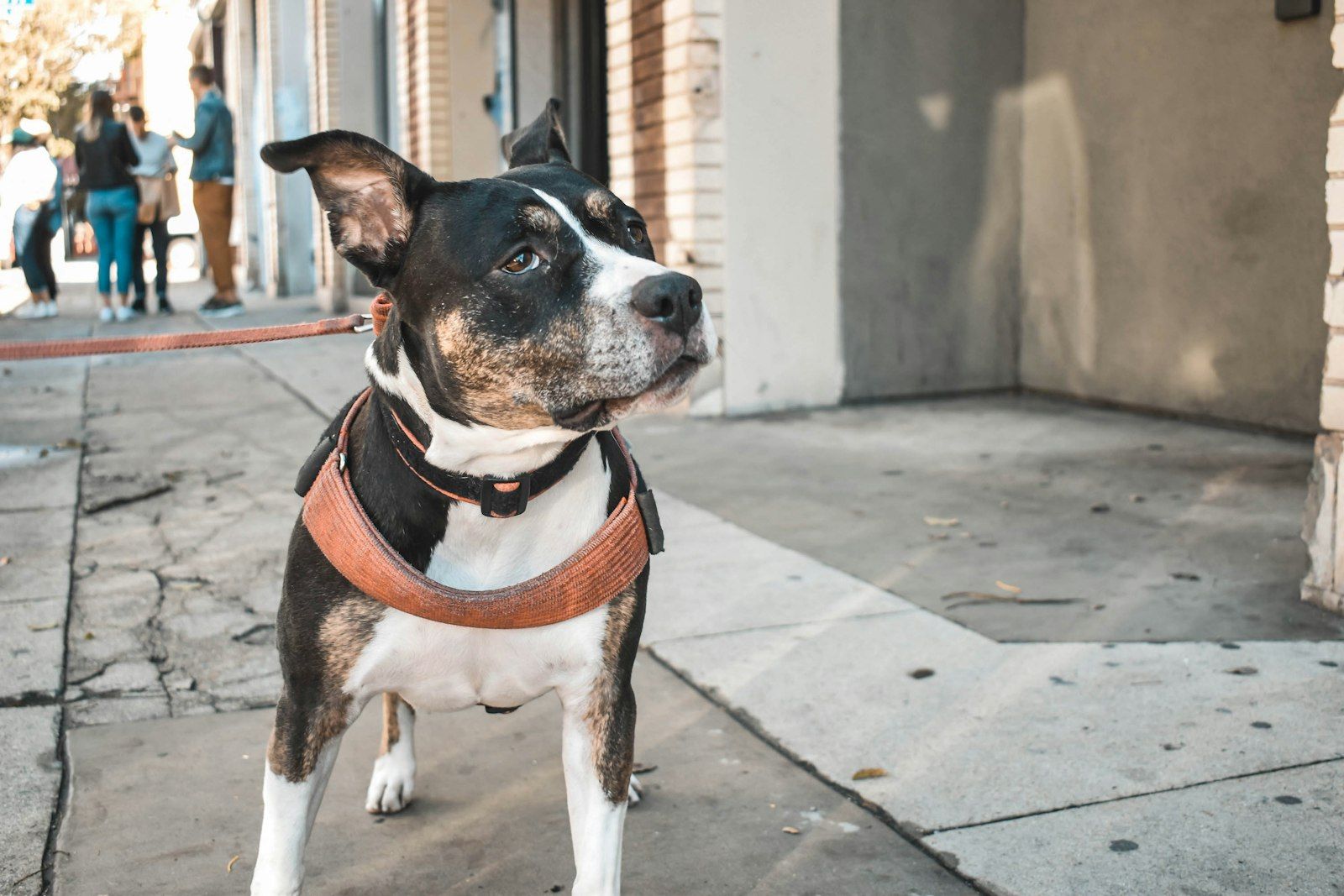
The Expanding World of Professional Pet Care
Californians love their pets, and the numbers back it up. With over 94 million households across the United States owning at least one animal, the demand for professional, reliable pet care has never been higher. For many animal lovers, starting a dog walking or pet sitting business feels like the ultimate dream job. You get to spend your days outdoors, bond with wonderful animals, and build a rewarding local enterprise. However, behind the joyful photos of park outings and cozy cuddle sessions lies a serious business reality. Caring for someone else’s beloved companion carries significant legal and financial liabilities.
At Shieldly Premier Insurance Solutions, we are in the business of helping and educating people. We understand that navigating the risks of a new or growing enterprise can feel overwhelming. Pet care professionals face a unique set of vulnerabilities that standard commercial policies often overlook. From unpredictable animal behavior to property damage inside a client's home, the potential for unexpected accidents is high. Ensuring you have the right dog walker insurance in California is not just a regulatory formality. It is the foundation of a resilient, trustworthy business. In this guide, we will break down the specific risks you face, the exact coverages you need, and how to protect your livelihood so you can focus on what you do best.
Why California is a Unique Landscape for Pet Businesses
Operating a pet care business in California comes with specific localized risks, primarily due to the state's legal environment and high cost of living. When you take a client's dog out for a stroll, you might not think about liability laws, but you absolutely should. California is known as a strict liability state when it comes to dog bites. Under California Civil Code Section 3342, a dog owner is liable for damages suffered by anyone bitten by their dog while in a public place or lawfully in a private place, regardless of the dog's former viciousness or the owner's knowledge of such viciousness.
But how does this affect you as a hired professional? When you take the leash, you assume temporary care, custody, and control of that animal. If the dog you are walking gets spooked and bites a passing jogger, the injured party will likely sue the dog’s owner. In turn, the dog owner’s homeowner's insurance company will almost certainly seek to recover their costs from you, arguing that you were negligent in your professional duty to control the animal. This legal process, known as subrogation, can be financially devastating.
The financial stakes are incredibly high. According to 2025 data from the Insurance Information Institute, California consistently leads the nation in the number of dog bite claims, and the average cost per claim in the state recently surpassed $81,000. These figures account for rising medical costs, reconstructive surgeries, and legal defense fees. Without a dedicated policy, a single reactive moment at the local dog park could bankrupt a small pet care business.
Decoding the Risks of Dog Walking and Pet Sitting
To truly understand why specialized insurance is necessary, it helps to look at the day to day scenarios that can trigger a devastating claim. Pet care professionals face a blend of traditional business liabilities and highly specific risks related to animals.
The most common and severe risk is third party bodily injury. Dogs can be unpredictable, especially in stimulating environments. A loud noise, a fast moving bicycle, or an aggressive stray can trigger a defensive reaction in even the most well behaved dog. If the dog bites a bystander, or if the dog lunges and causes someone to trip and break a wrist, you can be held legally responsible for their medical bills and lost wages.
Another major concern is injuries to the pets themselves. Imagine you are pet sitting an energetic Labrador Retriever. You accidentally leave a dark chocolate bar on the kitchen counter, and the dog ingests it while you are in the other room. The dog requires an emergency trip to the veterinarian and a costly stomach pump procedure. Because the pet was injured while directly under your supervision, the client will expect you to cover the veterinary bills.
Property damage is also a frequent issue. Dog walkers are uniquely vulnerable because they hold the keys to their clients' homes. If you lose a set of client keys, you are responsible for the cost of replacing the locks, which can be surprisingly expensive for modern high security or smart home systems. Alternatively, if you fail to properly lock a gate and the dog escapes, or if you accidentally knock over an expensive piece of art while trying to leash an excited puppy, you are liable for the resulting property damage.
Core Coverage: The Essentials of Dog Walker Insurance in California
Standard business policies are not designed to handle the nuances of animal care. To make sure you are properly covered without overpaying, your insurance portfolio needs to be tailored specifically to your daily operations. Here are the core components that make up a robust safety net for your dog walking business.
General Liability Insurance
This is the bedrock of any commercial insurance plan. General Liability Insurance protects your business against claims of third party bodily injury and third party property damage. If a dog you are walking knocks over a pedestrian, or if you accidentally scratch a client's hardwood floor while bringing in a pet crate, this policy helps cover the legal defense costs and settlement payouts. One of our main differentiators at Shieldly Premier Insurance Solutions is our attention to detail. We always recommend checking if your legal defense costs are covered outside the limits of your policy, meaning your legal fees will not drain the pool of money available to actually pay a settlement.
Care, Custody, or Control (Animal Bailee Coverage)
This is arguably the most critical and frequently misunderstood coverage for pet professionals. Standard general liability policies contain a specific exclusion for property that is in your "care, custody, or control." Under the law, pets are considered personal property. Therefore, if a dog is injured or lost while you are being paid to watch it, a basic general liability policy will completely deny the claim. To fix this dangerous gap, you must add Animal Bailee coverage. This specialized endorsement ensures that if a pet is injured, lost, or passes away while under your direct supervision, your business is protected against the financial consequences.
Lost Key and Lock Replacement
Because dog walkers constantly enter and exit private homes, the risk of losing a client's key is high. Some insurance packages include coverage specifically for the cost of installing new locks at a client's home if you lose their keys or if they are stolen from your vehicle. This relatively inexpensive addition provides massive peace of mind for both you and your clientele.
Beyond the Basics: Pet Sitting Insurance in California
While dog walking and pet sitting share many similarities, pet sitters often take on additional exposures. Sitters frequently stay overnight in a client's home, administer medications, and manage longer term care routines. Because the duration of care is longer, the scope of your pet sitting insurance in California needs to be slightly broader.
Professional Liability (Errors and Omissions)
While general liability covers physical accidents, professional liability covers financial losses resulting from your professional mistakes or failure to perform a service. For example, if you are instructed to give a diabetic cat insulin but you accidentally administer the wrong dosage, causing the pet to require hospitalization, a professional liability policy steps in. It protects you against claims of negligence, bad advice, or failure to deliver the services promised in your contract.
Workers' Compensation Insurance
As your business grows, you may need to hire additional walkers or sitters to keep up with demand. California has very strict labor laws, particularly the ABC test, which makes it extremely difficult to classify pet care workers as independent contractors. If you hire someone to perform the core service of your business, they are likely considered an employee. Under state law, you are legally required to carry Workers’ Comp Insurance the moment you have your first employee. This policy covers their medical expenses and a portion of their lost wages if they are injured on the job, such as suffering a dog bite or tearing a knee ligament while navigating a muddy dog park.
Commercial Auto Insurance
If your pet sitting or dog walking business involves transporting animals, you need to evaluate your vehicle coverage. Many professionals mistakenly believe their personal auto insurance will cover them while they work. In reality, almost all personal auto policies exclude coverage for accidents that occur while the vehicle is being used for commercial purposes. If you are driving a client's dog to a specialized hiking trail and you get into a fender bender, your personal insurance carrier could deny the claim entirely. Securing Commercial Auto Insurance ensures that your vehicle, your liability, and the animals in your care are protected while on the road.
The Gig Economy Illusion: Platform Guarantees vs. True Insurance
Many pet care professionals start their careers on popular gig economy apps like Rover or Wag!. These platforms are excellent for finding initial clients and building a reputation. To reassure pet owners, these apps advertise comprehensive guarantees or protection plans. Unfortunately, many independent contractors assume these platform guarantees are the same as carrying their own commercial insurance. This is a dangerous misconception.
Platform guarantees are designed primarily to protect the technology company, not the independent contractor. They are heavily restricted and often come with massive deductibles. More importantly, these guarantees only apply to services booked and paid for directly through the app. If you meet a client on an app but eventually agree to take their business private to avoid high commission fees, the platform's protection completely vanishes.
Relying solely on an app's protection plan leaves you exposed. Purchasing your own independent Business Insurance policy guarantees that your coverage follows you wherever you go, regardless of how the client booked your services. It signals to your clients that you are a legitimate, responsible professional, which allows you to command higher rates and build a more loyal customer base.
Risk Management Best Practices for Pet Professionals
Insurance is your financial safety net, but the best claim is the one that never happens. Implementing rigorous risk management protocols helps you avoid accidents, protects the animals in your care, and can even help keep your insurance premiums low.
First, always require a formal meet and greet before accepting a new client. This initial consultation allows you to assess the dog's temperament, observe how it reacts to strangers, and identify any resource guarding or leash reactivity. Do not be afraid to turn down a client if you feel their pet poses a safety risk to you or the public.
Second, utilize a comprehensive service agreement. Your contract should clearly outline your services, emergency protocols, and liability waivers. It is also wise to require proof of current vaccinations for all animals you handle. Having these documents on file demonstrates a high level of professionalism and provides crucial documentation if a dispute ever arises.
Third, establish a clear medical emergency protocol. You should know the location of the nearest 24 hour emergency veterinary clinic for every neighborhood you service. Ask your clients if they carry pet health insurance in California. While a client's pet insurance policy does not protect your business from liability if you cause an injury, it does make emergency situations much smoother. When an owner has pet health insurance, the financial barrier to immediate, lifesaving vet care is significantly lowered, reducing the immediate stress and friction during a crisis.
Finally, invest in high quality, secure equipment. Never rely on retractable leashes, which offer poor control and can snap under pressure. Use sturdy, fixed length leashes, secure harnesses, and backup clips to ensure a dog cannot slip its collar and run into traffic.
Conclusion
Building a successful pet care business in California is a deeply rewarding endeavor. You get to provide an essential service that brings peace of mind to busy families and joy to their pets. However, the unique strict liability laws and high costs of litigation in this state mean that professional pet sitters and dog walkers cannot afford to operate on a wing and a prayer.
Taking the time to understand and secure the proper coverage transforms your business from a risky side hustle into a secure, professional enterprise. When you are protected against third party lawsuits, property damage, and unexpected veterinary emergencies, you can step out the door every morning with confidence. You owe it to yourself, your clients, and the animals in your care to build a foundation that can weather any storm.
Ready to Protect Your Pet Care Business?
Operating a successful pet care business requires trust, reliability, and the right safety net. Ready to make sure you’re properly covered without overpaying? Contact Shieldly Premier Insurance Solutions for a detailed insurance review and side by side quotes, and we’ll walk you through your options so you can choose the right coverage with confidence.
Our team takes pride in our attention to detail, ensuring that hidden gaps like the care, custody, and control exclusion never leave you exposed. Whether you need a basic liability policy or a comprehensive package for a growing team, we are here to educate and guide you every step of the way. Get a quote today and let us help you protect your financial future while you care for California's favorite companions.